
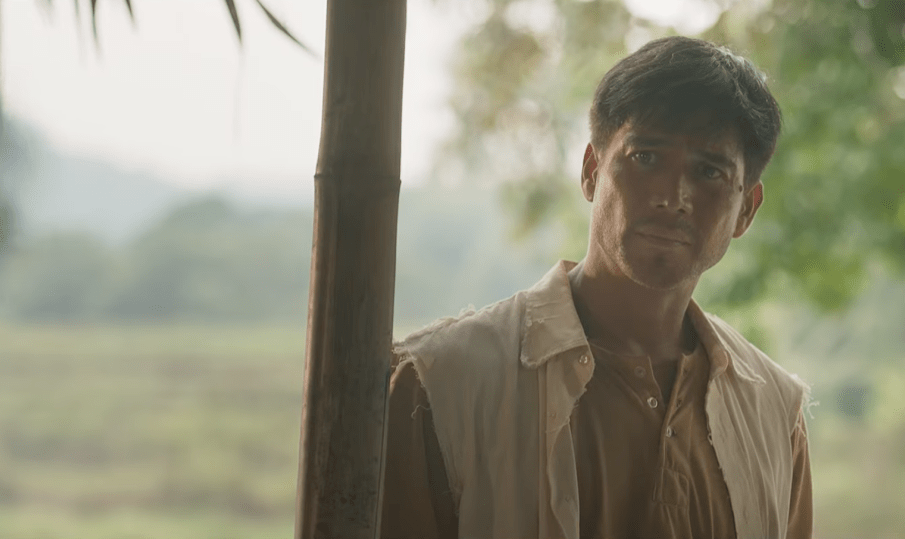
What if the Philippines had never been colonized? The Kingdom, a thought-provoking fictional drama, delves into this intriguing concept by reimagining Filipino heritage in a unique light. As one of the highly anticipated entries in this year’s Metro Manila Film Festival (MMFF), the film transports audiences to an alternate reality where the Philippines thrives under a monarchy with a self-determined and vibrant culture.
Wondering what makes this cinematic masterpiece stand out? Here are 10 compelling reasons why The Kingdom deserves a spot on your must-watch list this holiday season:
1. A Nation Untouched by Colonization
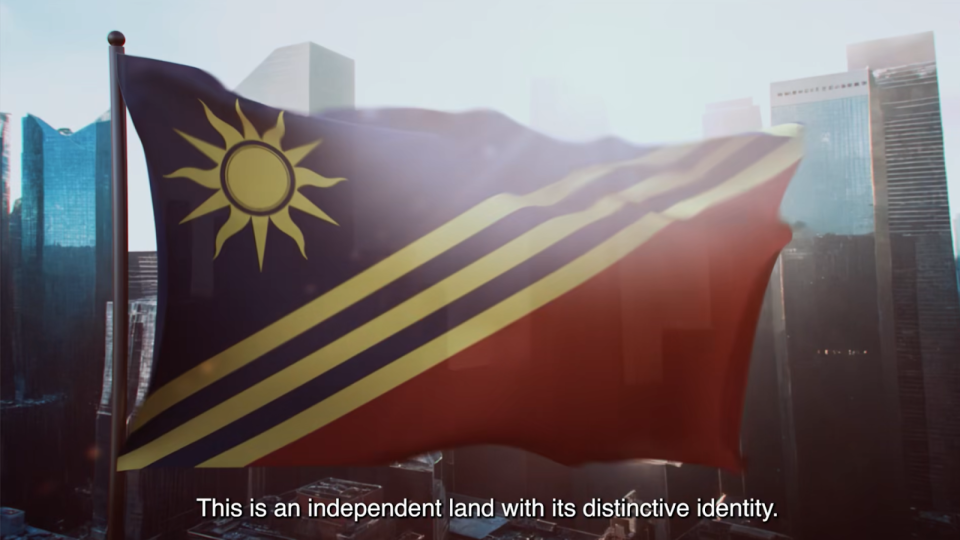
The Kingdom paints a picture of a Philippines that has never been colonized. It thrives as an independent land, preserving its distinct culture and societal practices with a powerful take on what could have been.
2. Welcome to the Kaharian ng Kalayaan
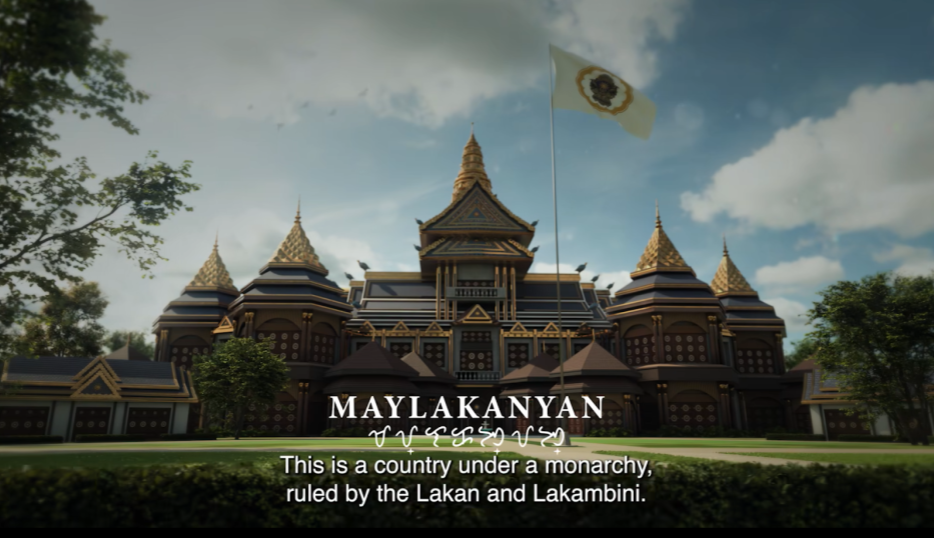
Set in a modern-day backdrop, the story takes place in the Kaharian ng Kalayaan, a sovereign kingdom untouched (but influenced) by colonizers. With no historical ties to the name “Philippines,” this nation boldly redefines Filipino identity.
3. Ruled by a Monarchy
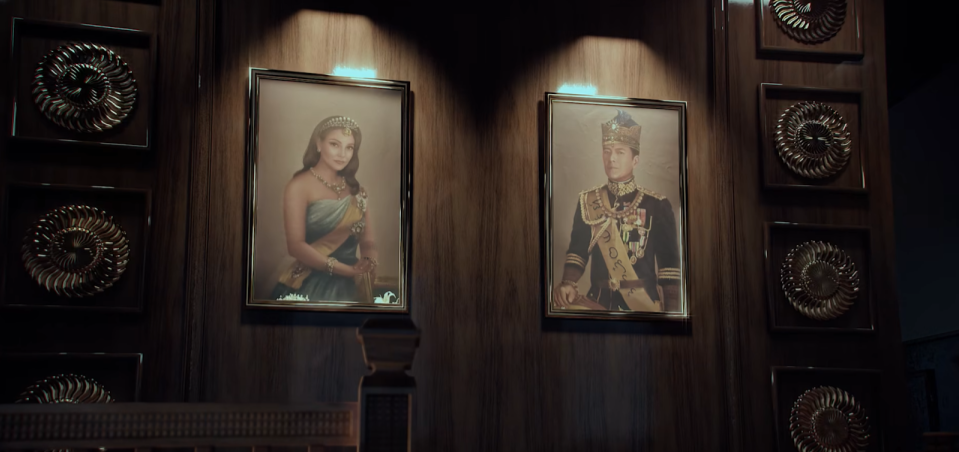
The Kingdom is ruled by a monarchy led by a Lakan and Lakambini (king and queen), supported by princes and princesses called Magat and Dayang. This governance reflects a deeply rooted hierarchical structure.
4. Divine Lineage of the Rulers
The rulers aren’t just political leaders; they are believed to be descendants of the gods (“may dugo ni Bathala”) and are blessed by Bathala himself. Their divine heritage cements their revered status among the Malaya people.
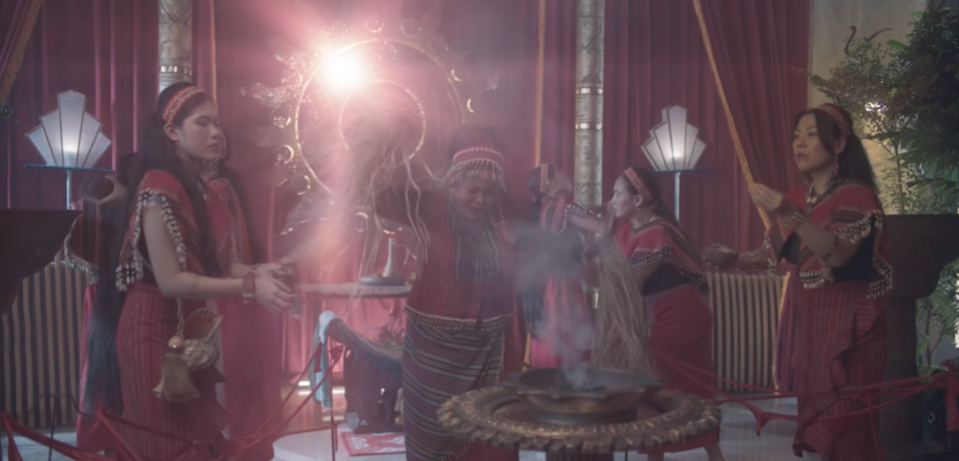
5. The Symbolic Crown of Lakan Makisig
The reigning monarch, Lakan Makisig (portrayed in the film by Vic Sotto), wears a crown that symbolizes his authority and unity over the land. More than just a regal accessory, it represents the heart of the kingdom.
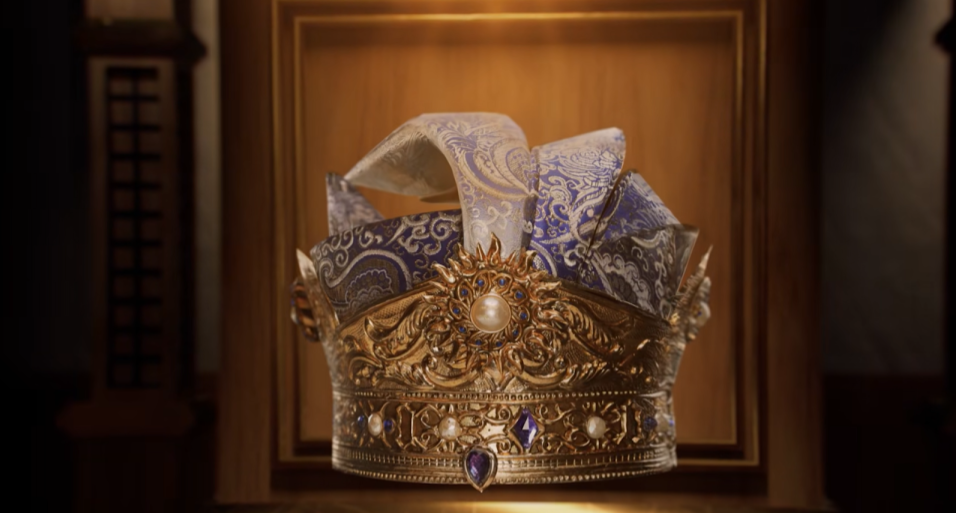
6. The Malaya People’s Identity
The citizens of the Kingdom are called Malaya. They have preserved and enriched traditions that date back centuries, showcasing a culture of resilience and pride.
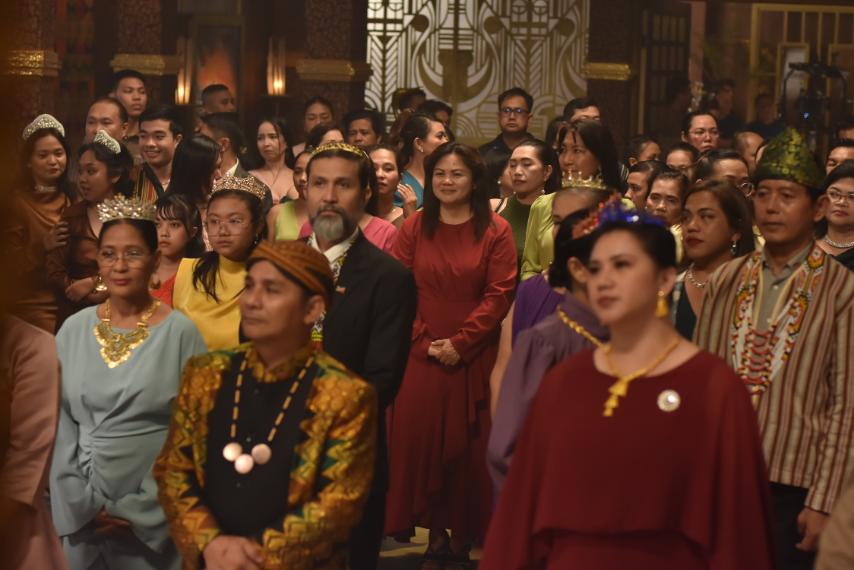
7. Tattoos as Cultural Markers
Tattoos play a significant role in this society. These intricate designs symbolize social status, achievements, and personal stories, creating a unique and visual cultural identity.
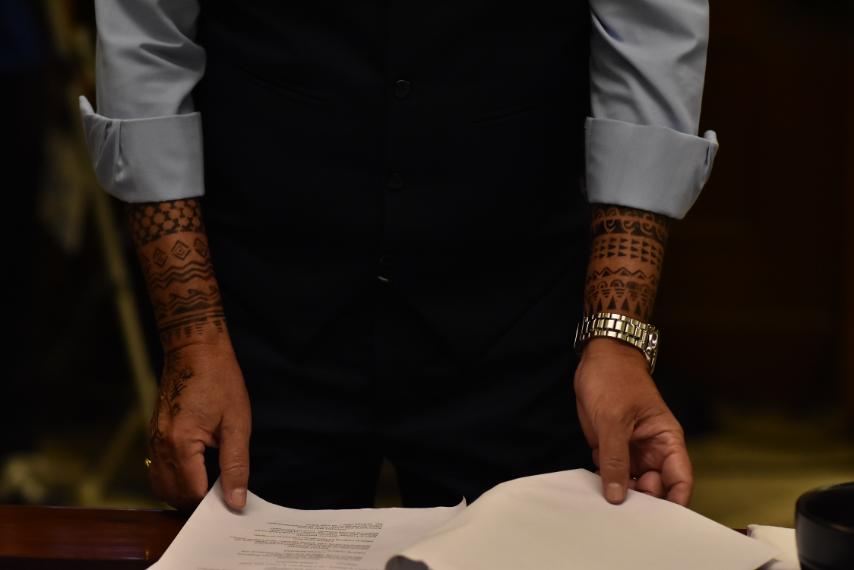
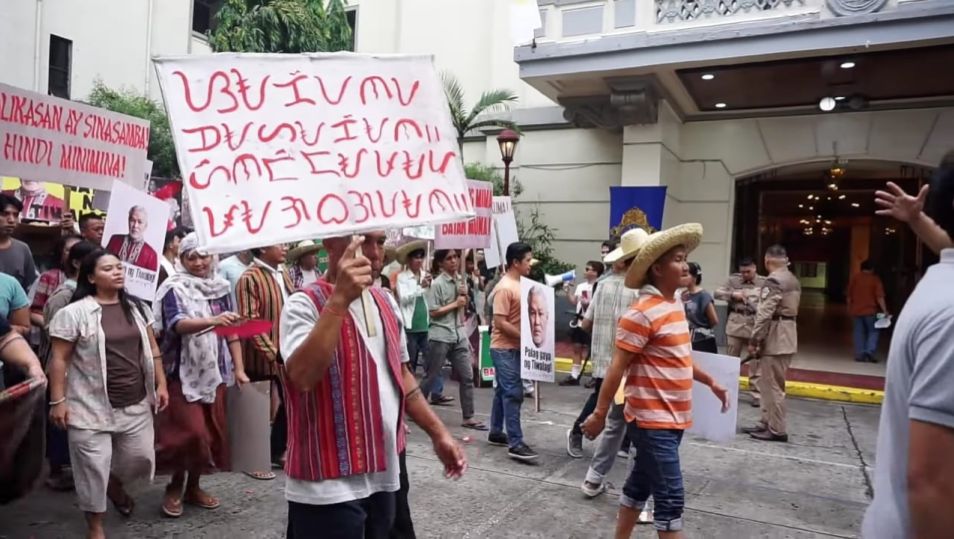
8. A Unique Language and Writing System (Baybayin)
The people take pride in their enriched native language and the continued use of Baybayin, an ancient writing system that highlights their linguistic heritage that is free from foreign influence.
9. Stunning Visuals Fit for Royalty
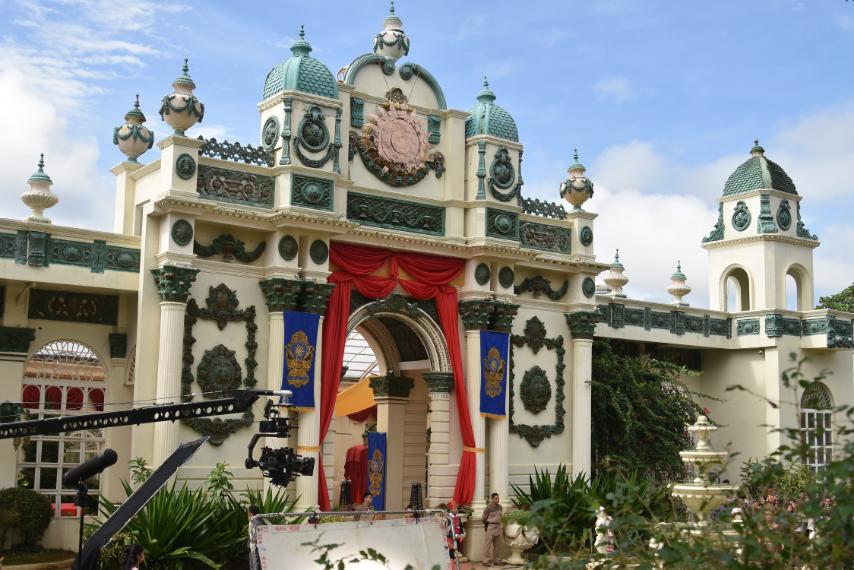
The Kingdom’s visual storytelling is brought to life with breathtaking props and set designs. From golden crowns to the detailed royal palace, every frame is steeped in grandeur, capturing the regal essence of the Kaharian ng Kalayaan.
10. A Gripping Family Drama Amidst Political Turmoil
At its heart, The Kingdom delves into the emotional struggle of a king faced with a monumental decision: choosing the next ruler among his children. While not all the siblings seek the throne, each of them wrestles with their own personal struggles, creating a web of emotional tension. Adding another layer of complexity is an outcast (played by Piolo Pascual), whose estrangement from the monarchy challenges the dynamics of power and loyalty. As the king navigates this important decision, external challenges from the citizens further complicate the monarchy’s stability, making this story an intense and layered narrative of family, power, and identity.

With its thought-provoking narrative and stunning visuals, The Kingdom isn’t just a film—it is an experience. Whether you’re a history buff, a culture enthusiast, or simply someone looking for a fresh perspective, this MMFF entry promises to leave a lasting impact.
Don’t miss your chance to explore a reimagined Philippines. Catch The Kingdom in theaters this December!






 CinemaBravo
Leave a Reply