

The glittering facade of filmmaking often hides a grueling reality. Behind the camera, actors—especially those tackling sensitive and challenging roles—navigate a high-stress environment that can take a significant psychological toll. For years, the industry operated under a “grin and bear it” mentality, where the line between artistic authenticity and emotional exploitation was dangerously thin.
The physical safety of a production has long been guarded by safety officers, but what about the psychological safety of the talent and crew? This question becomes even more urgent when working with vulnerable populations, such as children and non-professional actors, especially in material dealing with trauma, abuse, or intimacy. The lack of standardized mental-health support and clear boundaries has created a vulnerability that many productions—particularly those dedicated to raw, authentic storytelling—are now actively working to close.
This shift marks a quiet revolution, demanding that a film’s beauty extend not just to the screen but also to the well-being of everyone involved in its creation.
Meet the Pioneers: The Experts Redefining Film Set Culture
Leading this essential change on one of the year’s most anticipated independent features are two dedicated professionals: Rainier Ladic, a registered clinical psychologist, and Missy Maramara, an acclaimed actress, acting coach, and certified intimacy coordinator.
Ladic is a registered psychologist specializing in clinical psychology. Before working on film sets, he was a behavioral therapist for children with neurodevelopmental disorders, giving him crucial experience in handling children’s behavior. His involvement in the film industry—a field he notes is new for Filipino psychologists—began with The Garden of Earthly Delights as the child supervisor. His expertise extended beyond clinical intervention, contributing to the development of mental-health programs for actors and positioning himself as a “security officer for their psychological safety.”
Maramara brings decades of experience as an actor and serves as the president of the Theater Actors Guild. Her interest in understanding “intimacy” in performance led her to pursue certifications from multiple international platforms (TIE, IDC, and IPA). She and a colleague translated and contextualized the best practices for Philippine settings, recognizing the power and sensitivity of language. Her background in theater direction and acting coaching provided a solid foundation for her role as intimacy coordinator—a position she assumed in The Garden of Earthly Delights after being recommended by a student.

The Film: The Garden of Earthly Delights
Their expertise proved essential in The Garden of Earthly Delights, a feature film directed by Morgan Knibbe and produced through a vital international collaboration between the Netherlands’ BALDR Film, the Philippines’ Popple Pictures, and Belgium’s CZAR Film.
Set in “harsh and bustling Manila,” the story follows eleven-year-old Ginto, a scavenger who dreams of becoming a gangster, and his connection with a disillusioned Dutch tourist, Michael. The narrative forms a “brutal and cinematically stunning collision” where Western wealth meets postcolonial poverty, exposing global inequalities and confronting audiences with often-ignored realities.
To achieve this realism, the filmmakers cast non-actors—including street-cast children whose real lives often mirrored their characters. This raw approach to sensitive themes made the film’s ethical framework, supported by Ladic and Maramara, absolutely crucial.
The film is part of the QCinema International Film Festival and will soon head to its international premiere at the Torino Film Festival in Italy.
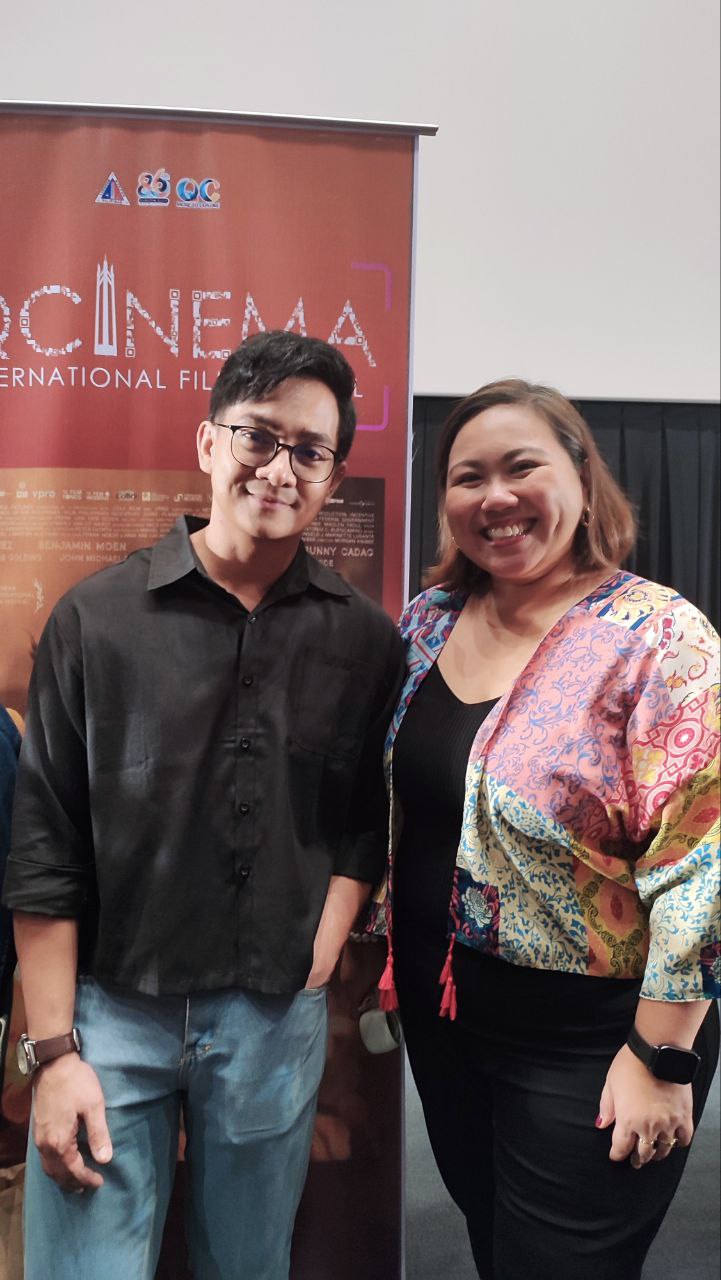
Rainier Ladic: The Psychological Safety Officer
For Ladic, the work began long before the cameras rolled. Since the children were non-actors, he developed a complete psychological intervention protocol spanning pre-production, production, and post-production phases.
• Phase 1: Preparation and Readiness
The first phase involved a deep psychological assessment. Ladic conducted clinical intake interviews with both parents and children, administering tests to evaluate their cognitive, social, and behavioral capacities.
If a child showed deficiencies in social-emotional development, they weren’t immediately recommended for acting. Instead, they underwent up to three months of preparedness interventions, including behavioral modification programs such as Applied Behavioral Analysis (ABA). These helped instill proper work ethics, establish compliance, and reduce undesirable behaviors.
To prepare them emotionally for the project’s demands, sessions included art therapy—allowing them to express difficult emotions—and training in empathy, emotion identification, and problem-solving.
• Phase 2: Real-Time Intervention
During filming, Ladic became a real-time behavioral and emotional manager. He reviewed the call sheet and script daily, preparing intervention plans and anticipating potential issues.
Managing parents, many of whom were non-actors, proved to be an unexpected challenge. Ladic conducted seminars on behavioral management and briefed parents on their accountability and the emotional demands of the story. His role required him to be both an authority figure and a “safe space,” sometimes even “chasing after kids on set.”
He also served as an on-the-spot acting coach after the original coach quit, becoming a communication bridge between the children and the foreign crew—especially during emotional meltdowns.
• Phase 3: Post-Production and Transition
After filming, Ladic implemented tailor-fitted post-production interventions. The main goal was de-rolling—helping children detach their identities from their characters.
He also aimed to minimize separation anxiety, as many children grew attached to the crew and the environment. Follow-up sessions focused on emotional regulation, personal growth, and applying their new skills. Recognizing the crew’s stress, he extended support to them as well, advocating for mental-health awareness in the workplace.
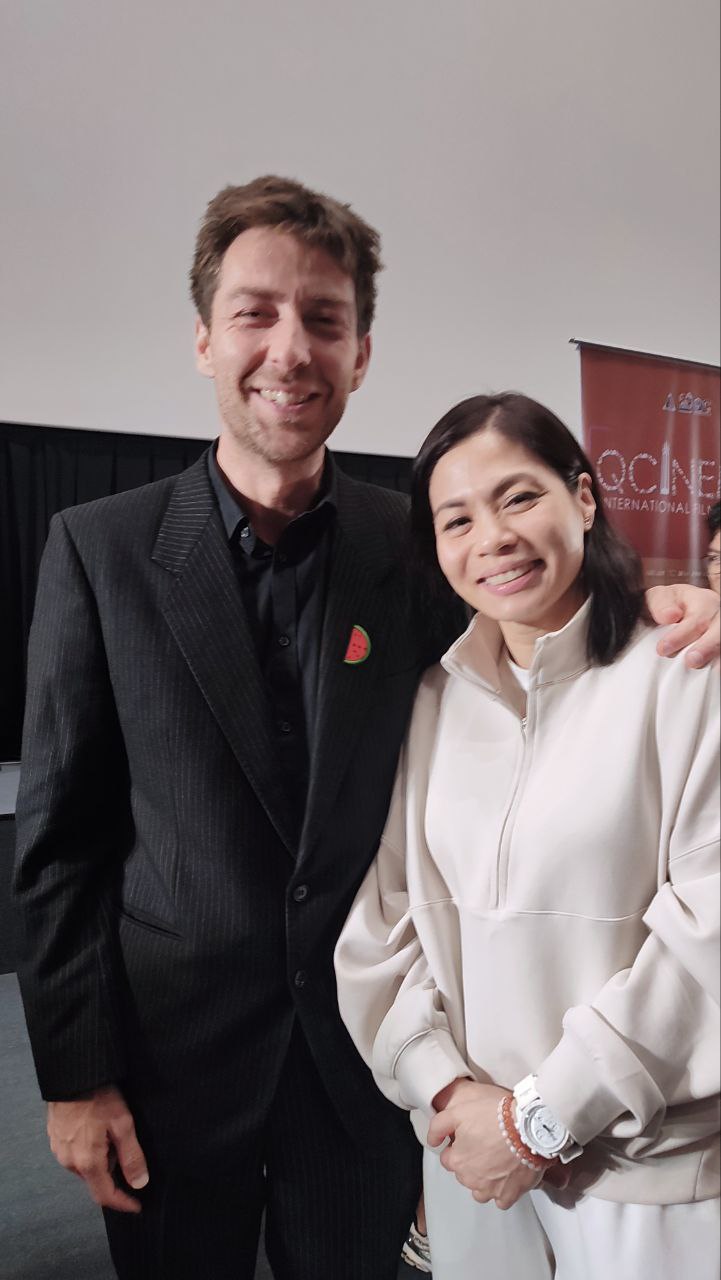
Missy Maramara: The Conscience of the Scene
As intimacy coordinator, Maramara established a strong ethical and emotional framework for all sensitive scenes, ensuring they were created “mindfully and respectfully.”
• The Pillars of Intimacy
Her work began with consent workshops for the entire company—cast, crew, and parents—ensuring everyone understood the importance of boundaries and consent.
The workshop covered the five Pillars of Intimacy: Context, Consent, Communication, Choreography, and Closure. This structured method prioritized well-being over artistic demands, especially crucial when involving non-professional actors. She also emphasized the risk of vicarious trauma among crew members exposed to heavy material.
• Establishing and Maintaining Consent
When working with children, she ensured guardians fully understood what their children would experience. Consent, she stressed, is not a one-time signature but a “constant checking in,” adjusted to a child’s comprehension level.
She was physically present during sensitive scenes to ensure ongoing consent, guide choreography, and check in afterward to assist in de-rolling. Her collaboration with Ladic was consistent, particularly during emotionally charged scenes.
This partnership was essential when a child actor froze during a scene and needed time to emotionally process the moment.
Maramara also handled situations where an actor retracted consent by de-escalating, asking open-ended questions, and proceeding only when everyone felt comfortable. She addressed cultural differences within the mixed Filipino and foreign crew, promoting mutual understanding through continuous cultural exchange.
The Future: Institutionalizing Care
The experience of The Garden of Earthly Delights offers a compelling model for the Philippine film industry. For both Ladic and Maramara, the work was profoundly fulfilling and expanded their understanding of industry needs.
Ladic’s first film project immediately led to three more films, including GG, where he supported the entire cast and crew. This growing demand shows how essential mental-health professionals on set have become. He is now researching safe acting methods to help actors manage emotionally challenging roles without harming themselves.
Maramara’s work in contextualizing the Pillars of Intimacy for Filipino settings makes the practice accessible and scalable. Hearing actors share how the respectful, structured process improved their craft has been deeply rewarding for her.
Can the Philippine film industry institutionalize these roles? The evidence points to a resounding yes. The successful production of a challenging, critically vital film like The Garden of Earthly Delights shows that psychological safety and ethical intimacy practices are essential professional standards.
The industry already maintains structures for physical safety. It is now time to integrate psychological and emotional safety for all cast and crew. Institutionalizing the roles of a set psychologist and intimacy coordinator will not only protect artists but also deepen the integrity of the art itself—ensuring that the beautiful film on screen has an equally beautiful and ethical story behind it.
Don’t miss The Garden of Earthly Delights as part of the Before Midnight category at the 13th QCinema International Film Festival, screening until November 23 in Gateway, Eastwood, Trinoma, Fisher Mall, Cloverleaf, and Robinsons Galleria.








 CinemaBravo
Leave a Reply